2026年5月27日,2026国际文化经济学会(ACEI)学术论坛分论坛三于西安建筑科技大学雁塔校区意诚科创中心4楼求源会议室成功举办。本次论坛以“乡村振兴与区域协同治理”为主题,由山东大学郝云飞教授与沙卡利姆大学Yerassyl Dulatbay教授担任主持人兼点评嘉宾,汇聚青海民族大学、西北农林科技大学、西安交通大学、西南大学等高校专家学者,围绕非遗活化、城乡融合、基层治理、产业提质等核心议题,分享研究成果、凝聚发展共识,为乡村全面振兴与区域协同发展提供学术支撑与实践指引。
May 27, 2026 – The third parallel forum of the 2026 Academic Conference of the Association for Cultural Economics International (ACEI) was successfully held in the Qiuyuan Conference Room, 4th Floor, Yicheng Science and Innovation Center, Yanta Campus of Xi’an University of Architecture and Technology. Centered on the theme Rural Revitalization and Regional Collaborative Governance, the forum was moderated and reviewed by Professor Hao Yunfei from Shandong University and Professor Yerassyl Dulatbay from Shakarim University. It brought together experts and scholars from Qinghai Minzu University, Northwest A&F University, Xi’an Jiaotong University, Southwest University and other institutions. Focusing on core issues such as intangible cultural heritage (ICH) revitalization, urbanrural integration, grassroots governance, and industrial upgrading, participants shared research findings and built consensus, providing academic support and practical guidance for comprehensive rural revitalization and regional coordinated development.
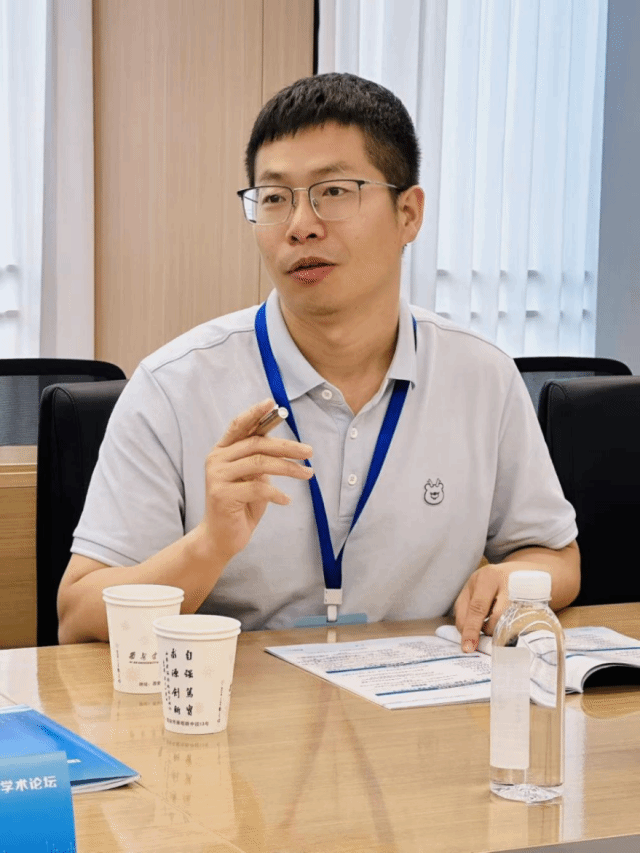
主持人兼点评嘉宾:郝云飞教授(山东大学)
Professor Hao Yunfei, Shandong University
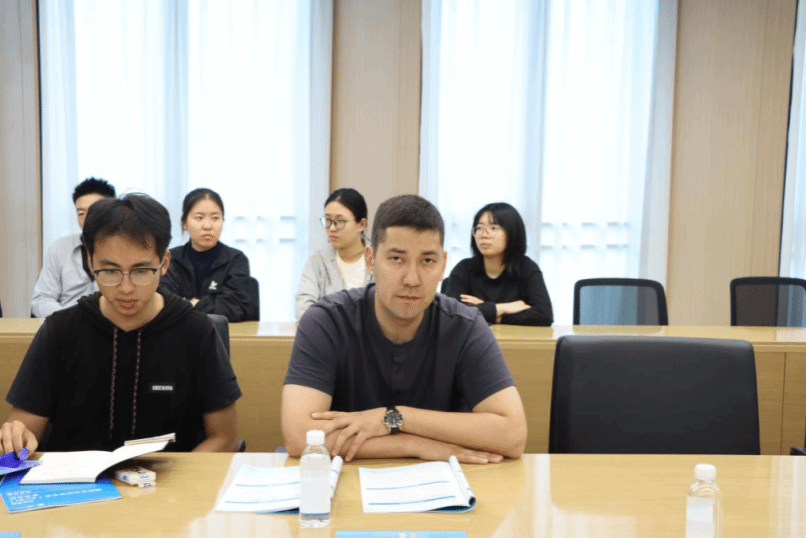
主持人兼点评嘉宾:Yerassyl Dulatbay(沙卡利姆大学)
Professor Yerassyl Dulatbay, Shakarim University
论坛聚焦乡村振兴多元维度,多场主题报告兼具理论深度与实践温度,现场研讨氛围热烈、交流务实高效。王碧云聚焦铸牢中华民族共同体意识,系统梳理H县土族盘绣、轮子秋等非遗资源现状,剖析人才断层、创新不足等困境,从队伍建设、资源整合、守正创新、价值引领四方面提出优化路径,引发关于非遗保护与商业化平衡的深入探讨;杨春兰、李卓副教授以西安市鄠邑区蔡家坡村为案例,阐释艺术赋能乡村振兴的实现机制,总结空间再造、IP打造、三产融合、主体培育四大转型举措,为艺术乡建提供可复制范式,与会学者建议强化案例对比研究,提炼共性规律;靳长昊博士聚焦“一村一品”政策,剖析基层实践中同质化、乡土底色流失等“价值迷思”,从科层考核、避责逻辑等维度分析成因,提出内生型发展优化思路,助力乡村特色产业提质增效。
The forum explored multiple dimensions of rural revitalization through keynote speeches that combined theoretical depth with practical relevance, fostering lively, pragmatic and efficient discussions. Wang Biyun focused on forging a strong sense of community for the Chinese nation, systematically examining ICH resources in County H such as Tu ethnic embroidery and wheel swing performances. Analyzing challenges including talent gaps and insufficient innovation, she proposed optimization strategies in four areas: team building, resource integration, inheritance with innovation, and value guidance, sparking indepth discussions on balancing ICH preservation and commercialization.
Associate Professors Yang Chunlan and Li Zhuo presented a case study of Caijiapo Village, Huyi District, Xi’an, explaining the mechanisms of artenabled rural revitalization and summarizing four transformation measures: spatial reconstruction, IP development, integration of primary, secondary and tertiary industries, and stakeholder cultivation, offering a replicable model for artistic rural construction. Participants recommended strengthening comparative case studies to identify common patterns.
Dr. Jin Changhao focused on the “One Village, One Product” policy, analyzing “value misconceptions” in grassroots practice such as homogenization and loss of local identity. Examining causes from administrative assessment and riskavoidance perspectives, he proposed endogenous development strategies to support the upgrading of rural characteristic industries.
随后,陈宜副教授基于陕西猕猴桃种植户调研数据,在传统生计框架中新增信息资本维度,实证分析生计资本、政府干预与农户良种采纳的内在关联,明确人力资本、社会资本的核心作用,为差异化农业政策制定提供依据;张洁副教授以贵州丹寨万达小镇为样本,运用文化资本再生产理论,剖析非遗旅游驱动城乡融合的五大转化路径,构建“农文旅商”融合体系,为县域产业升级提供实践参考;罗博文副教授基于浙陕晋黑四省1082份调研数据,实证回流精英参与对乡村治理的提升作用,明确数字化应用、秩序稳定、满意度提升三大作用路径,样本选取的代表性获得与会学者认可;赵鲁豫、李敏副教授聚焦沉浸式文化遗产,阐释其赋能人文城市建设的内涵、价值与困境,提出坚守原真性、重塑空间叙事、健全治理机制等优化路径,助力打造有文脉、有温度的人文城市。
Subsequently, Associate Professor Chen Yi, drawing on survey data from kiwifruit farmers in Shaanxi, introduced information capital into the traditional livelihood framework, empirically analyzing the relationships between livelihood capital, government intervention, and farmers’ adoption of improved varieties. She clarified the core roles of human and social capital, providing evidence for differentiated agricultural policy formulation.
Associate Professor Zhang Jie took Wanda Town, Danzhai, Guizhou as a case, applying cultural capital reproduction theory to analyze five transformation pathways through which ICHbased tourism drives urbanrural integration, and constructing an “agricultureculturetourismcommerce” integration system, offering practical insights for countylevel industrial upgrading.
Associate Professor Luo Bowen, based on 1,082 survey responses from four provinces (Zhejiang, Shaanxi, Shanxi and Heilongjiang), empirically demonstrated the positive impact of returning elites on rural governance effectiveness, identifying three key mechanisms: digital application, social order stability, and satisfaction improvement. The representativeness of the sample was recognized by participants.
Associate Professors Zhao Luyu and Li Min focused on immersive cultural heritage, elaborating its connotations, values and challenges in supporting humanistic urban development, and proposing optimization strategies including authenticity preservation, spatial narrative reconstruction, and improved governance mechanisms, contributing to the development of culturally rich and peoplecentered cities.
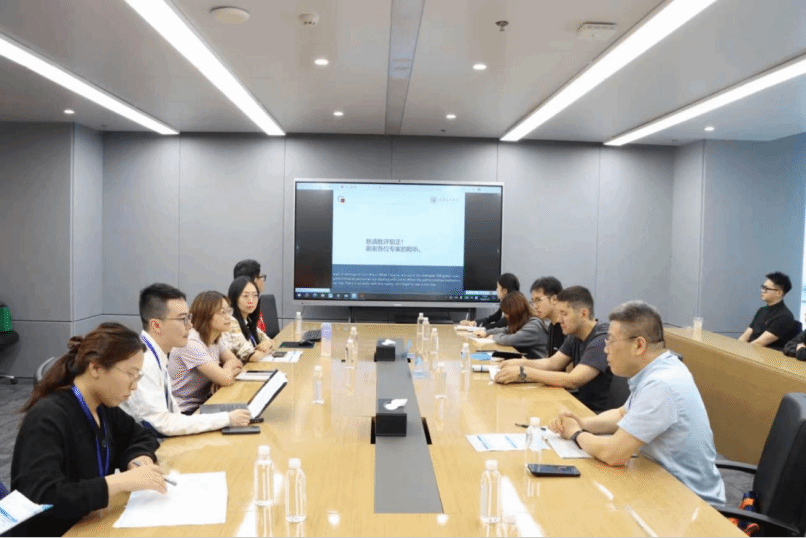
报告环节结束后,主持人及点评嘉宾作总结点评,充分肯定本次论坛选题贴合乡村振兴现实需求、研究兼具理论创新与实证支撑、案例典型且可落地。与会专家一致认为,乡村振兴需立足本土资源、活化非遗价值、激活内生动力、强化区域协同,平衡保护与发展、传承与创新的关系,推动学术研究扎根田野、服务基层,为新时代乡村全面振兴、城乡融合发展与区域协同治理注入智慧力量。
Following the presentations, the moderators and reviewers delivered concluding remarks, commending the forum for addressing practical rural revitalization needs, integrating theoretical innovation with empirical evidence, and presenting typical, actionable cases. Participants agreed that rural revitalization must be rooted in local resources, leverage ICH values, activate endogenous development momentum, and strengthen regional coordination. Balancing preservation and development, inheritance and innovation, academic research should be grounded in fieldwork and serve grassroots communities, providing intellectual support for comprehensive rural revitalization, urbanrural integration and regional collaborative governance in the new era.



