2026年5月27日,2026国际文化经济学会(ACEI)学术论坛分论坛二于西安建筑科技大学雁塔校区意诚科创中心4楼笃实会议室顺利召开。本次论坛以“区域文化协同治理与高质量战略规划”为核心,搭建跨学科、跨国界学术交流平台,汇聚国内多所高校及研究机构专家学者,聚焦数字创新、遗产保护、绿色发展、开放合作等议题,深入探讨区域文化经济协同发展路径,为“一带一路”文化软联通与高质量发展赋能。
On May 27, 2026, the second sub - forum of the 2026 Academic Forum of the International Association for Cultural and Economic Studies (ACEI) was successfully held in the Dushi Conference Room on the 4th floor of the Yicheng Science and Innovation Center, Yanta Campus of Xi'an University of Architecture and Technology. Centering on the theme of "Collaborative Governance of Regional Culture and High - quality Strategic Planning", this forum built an interdisciplinary and cross - border academic exchange platform. It brought together experts and scholars from multiple domestic universities and research institutions, focusing on topics such as digital innovation, heritage protection, green development, and open cooperation. The forum delved into the paths for the collaborative development of regional cultural economy, and empowered the soft connection and high - quality development of the "Belt and Road" culture.
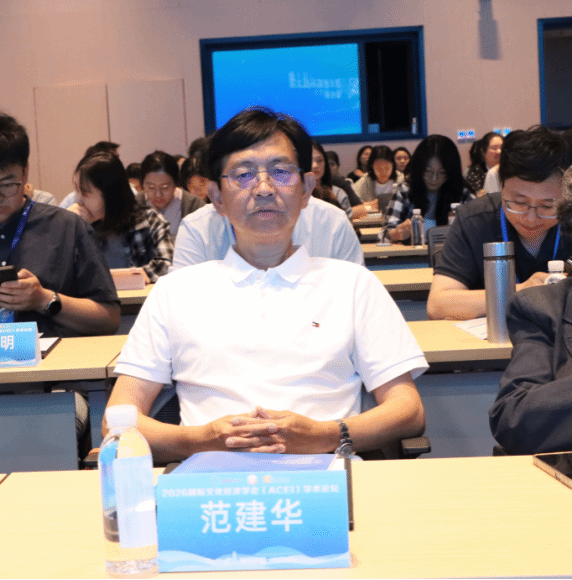
主持人兼点评嘉宾:范建华教授(华中师范大学)
Host and commenting guest: Professor Fan Jianhua (Central China Normal University)
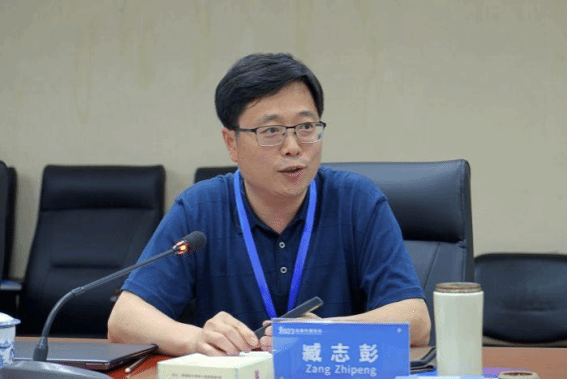
主持人兼点评嘉宾:臧志彭教授(同济大学)
Host and commenting guest: Professor Zang Zhipeng (Tongji University)
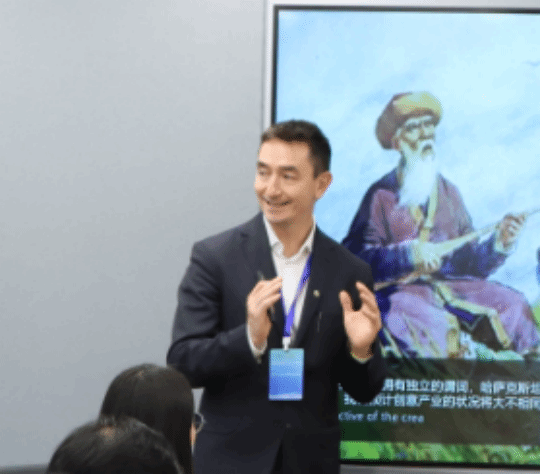
主持人兼点评嘉宾:Sylwester Bialowas教授(波兹南商业与经济大学)
Host and commenting guest: Professor Sylwester Bialowas (Poznan University of Business and Economics)
本次论坛由华中师范大学范建华教授、同济大学臧志彭教授与波兹南商业与经济大学Sylwester Bialowas教授担任主持人兼点评嘉宾,全程参与研讨互动、精准评议分享成果。
This forum was hosted and commented by Professor Fan Jianhua from Central China Normal University, Professor Zang Zhipeng from Tongji University, and Professor Sylwester Bialowas from Poznan University of Business and Economics. They participated in the whole process of discussion and interaction, delivered accurate comments and shared the research outcomes.
论坛上半场聚焦全球视野下文化经济发展前沿,多位专家分享最新研究成果,碰撞思想火花。范建华教授指出,文化经济是“一带一路”软联通的核心载体,需以数字创新为引擎、遗产保护为根基、绿色发展为引领、开放合作增效,构建多元协同发展格局;臧志彭教授聚焦全球数字文化产业格局,分析中国与国际头部力量在数字文化出海领域的优势差异,明确中国游戏产业的领先地位与非游戏领域的提升空间,建议抢抓生成式AI机遇,推动产业升级与全球价值链跃升;波兰Sylwester Bialowas教授深化“一带一路”文化经济、数字创新、生态可持续领域共识,为国际文化合作与地方产业发展提供策略参考。
The first half of the forum focused on the frontiers of cultural and economic development from a global perspective, where many experts shared their latest research findings and sparked inspiring intellectual collisions.Professor Fan Jianhua pointed out that cultural economy is the core carrier of "soft connectivity" under the Belt and Road Initiative. It is necessary to take digital innovation as the engine, heritage protection as the foundation, green development as the guidance, and open cooperation to enhance efficiency, so as to build a diversified and coordinated development pattern.Professor Zang Zhipeng focused on the global pattern of digital cultural industry, analyzed the advantages and differences between China and international leading players in the field of digital cultural going global, clarified the leading position of China's game industry and the room for improvement in non-game sectors. He suggested that we should seize the opportunity of generative AI to promote industrial upgrading and the leap of global value chain.Professor Sylwester Bialowas from Poland deepened the consensus on cultural economy, digital innovation and ecological sustainability under the Belt and Road Initiative, providing strategic references for international cultural cooperation and local industrial development.
生态治理与文化经济融合成为上半场研讨亮点。王莹副教授以洱海生态保护实践为案例,实证生态修复可有效转化为文旅、非遗、社区经济价值,实现生态、文化、发展三方共赢;李晶教授以汉江上游61处会馆为研究样本,运用GIS与历史地理方法,厘清明清至民国会馆时空分布规律与驱动机制,为长江国家文化公园建设、线性文化遗产保护提供科学支撑;吕烨馨博士调研中亚三国文化创意产业现状,剖析共性困境,呼吁强化区域协同与制度共建,提升国际竞争力;尹晓晔博士以青岛上合示范区为案例,提炼“一带一路”开放平台功能复合、主体多元等核心特征,破解开放布局失衡、合作割裂难题。
The integration of ecological governance and cultural economy became a highlight of the discussion in the first half. Associate Professor Wang Ying took the ecological protection practice of Erhai Lake as a case, and empirically proved that ecological restoration can be effectively transformed into the economic values of cultural tourism, intangible cultural heritage, and community, achieving a win-win situation for ecology, culture and development. Professor Li Jing took 61 guild halls in the upper reaches of the Han River as research samples, used GIS and historical geography methods to clarify the temporal and spatial distribution rules and driving mechanisms of guild halls from the Ming and Qing Dynasties to the Republic of China, providing scientific support for the construction of the Yangtze River National Cultural Park and the protection of linear cultural heritage. Dr. Lyu Yexin investigated the current situation of cultural and creative industries in three Central Asian countries, analyzed the common dilemmas, and called for strengthening regional coordination and system co-construction to enhance international competitiveness. Dr. Yin Xiaoye took the Qingdao SCO Demonstration Zone as a case, extracted core characteristics such as functional complexity and diversified subjects of the "Belt and Road" open platform, and solved the problems of unbalanced open layout and fragmented cooperation.
下半场聚焦文化IP活化、产业数字化、遗产保护与公共服务等本土实践议题,深耕落地路径、提炼实践经验。叶荣杰讲师聚焦岭南文化潮玩IP,探究感知价值对购买意愿的影响,明确情感驱动与文化认同的核心作用,为文化IP活化与潮玩创新提供实证支撑;李敏副教授攻克文化产业虚拟集聚测度难题,构建科学测算体系,分析全国百万级文化企业数据,揭示东部主导、中西部趋升、核心城市为枢纽的集聚特征,为产业均衡发展提供路径;张鸽副研究员梳理陆汉林故居、汉江上游会馆等遗产保护路径,对比中日韩非遗保护制度,提出区域协同、差异共存的非遗传承思路;贾征宇聚焦数字治理、数字博物馆与跨国公共文化服务政策,剖析沿线国家协同目标与工具差异,为政策对接提供参考;西安建筑科技大学马天艺聚焦开放平台建设,结合青岛上合示范区实践,提出破解国际合作痛点的优化建议。
In the second half, the focus is on local practice issues such as the activation of cultural IPs, industrial digitalization, heritage protection, and public services, delving deep into implementation paths and extracting practical experience. Lecturer Ye Rongjie focuses on the trendy cultural IPs of Lingnan culture, explores the influence of perceived value on purchase intention, clarifies the core role of emotional drive and cultural identity, and provides empirical support for the activation of cultural IPs and trendy toy innovation. Associate Professor Li Min overcomes the difficult problem of measuring the virtual agglomeration of the cultural industry, constructs a scientific measurement system, analyzes the data of millions of cultural enterprises across the country, reveals the agglomeration characteristics of the dominance of the eastern region, the rising trend in the central and western regions, and core cities as hubs, and provides a path for the balanced development of the industry. Associate Researcher Zhang Ge sorts out the heritage protection paths of Lu Hanlin's former residence and the guild halls in the upper reaches of the Hanjiang River, compares the intangible cultural heritage protection systems of China, Japan, and South Korea, and proposes ideas for the inheritance of intangible cultural heritage featuring regional cooperation and co - existence of differences. Jia Zhengyu focuses on digital governance, digital museums, and trans - national public cultural service policies, analyzes the differences in the collaborative goals and tools of countries along the routes, and provides references for policy docking. Ma Tianyi from Xi'an University of Architecture and Technology focuses on the construction of an open platform, combines the practice of the Qingdao Shanghai Cooperation Demonstration Zone, and puts forward optimization suggestions to solve the pain points of international cooperation.
本次论坛紧扣国家战略,兼具国际视野与本土实践导向,横跨文化经济、数字技术、遗产保护、生态治理等多领域,实现理论创新与实践落地的深度融合。与会专家一致认为,新时代区域文化发展需强化协同治理、深耕数字赋能、坚守文化根脉、坚持开放合作,推动文化产业高质量发展,为“一带一路”文化交流、区域协同发展与文化强国建设注入持久动力。
This forum closely adheres to national strategies, combines international vision with local practice orientation, and covers multiple fields including cultural economy, digital technology, heritage protection, and ecological governance, achieving in-depth integration of theoretical innovation and practical implementation.Experts present at the forum reached a consensus that regional cultural development in the new era needs to strengthen collaborative governance, deepen digital empowerment, adhere to cultural roots, and stick to openness and cooperation, so as to promote the high-quality development of the cultural industry, and inject lasting impetus into cultural exchanges along the Belt and Road, regional coordinated development and the construction of a culturally powerful country.



