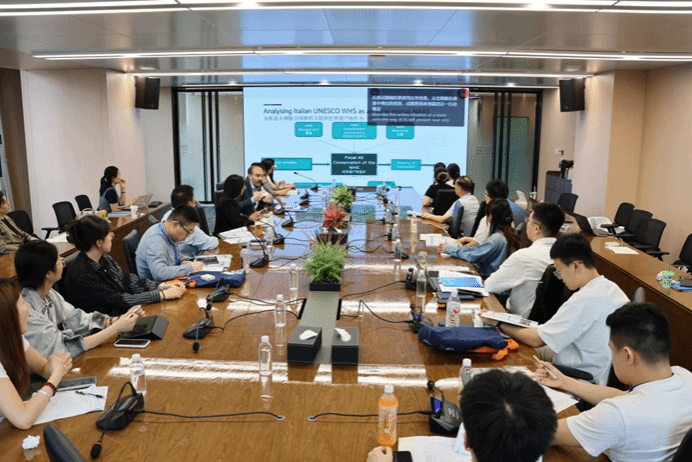
2026年5月27日,2026国际文化经济学会(ACEI)学术论坛第一分论坛于西安建筑科技大学雁塔校区意诚科创中心4楼自强会议室成功举办。本次论坛以“文化遗产保护与绿色可持续发展”为核心主题,创新搭建“主旨报告+青年学者沙龙+一对一专家深度评议”多元交流平台,汇聚北京师范大学、中国社会科学院大学、西安建筑科技大学、西北农林科技大学及海外巴里亚多里德大学、罗马第一大学等国内外顶尖高校与科研机构的专家学者,围绕遗产数字化复兴、跨境线性遗产保护、农业绿色低碳转型、非遗活态传承等前沿议题,开展跨学科、跨国界深度研讨,共探文化根脉传承与绿色高质量发展的融合新路径。
27 May 2026 – The first parallel forum of the 2026 Academic Conference of the Association for Cultural Economics International (ACEI) was successfully held in the Ziqiang Conference Room, 4th Floor, Yicheng Science and Innovation Center, Yanta Campus of Xi’an University of Architecture and Technology. Under the core theme Cultural Heritage Preservation and Green Sustainable Development, the forum established a multi‑faceted platform comprising keynote presentations, a young scholars’ salon, and one‑to‑one in‑depth expert reviews. It brought together scholars from leading domestic and international institutions, including Beijing Normal University, University of Chinese Academy of Social Sciences, Xi’an University of Architecture and Technology, Northwest A&F University, as well as the University of Valladolid and Sapienza University of Rome. Discussions focused on frontier issues such as digital revitalization of cultural heritage, cross‑border linear heritage conservation, green and low‑carbon agricultural transformation, and the living transmission of intangible cultural heritage (ICH), advancing interdisciplinary and cross‑border dialogue to explore integrated pathways for sustaining cultural roots and achieving high‑quality green development.
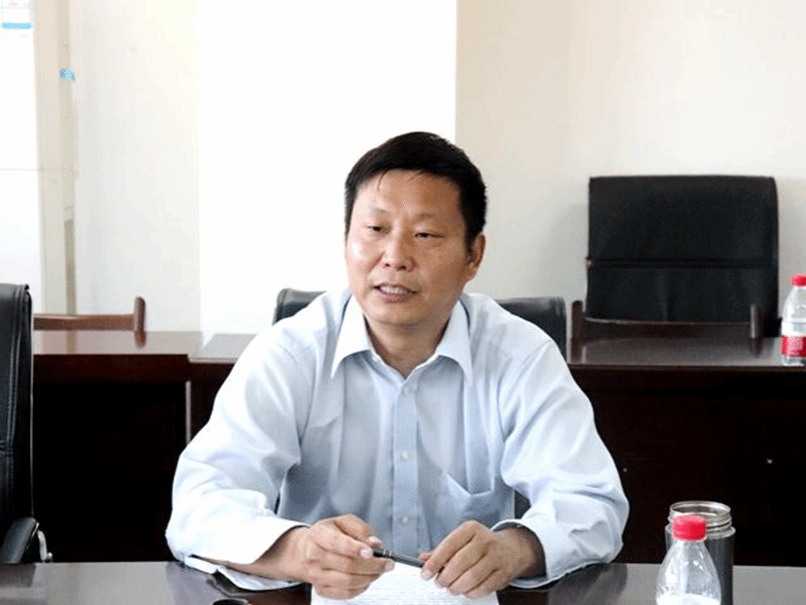
主持人兼点评嘉宾:冯留建教授(北京师范大学)
Professor Feng Liujian, Beijing Normal University
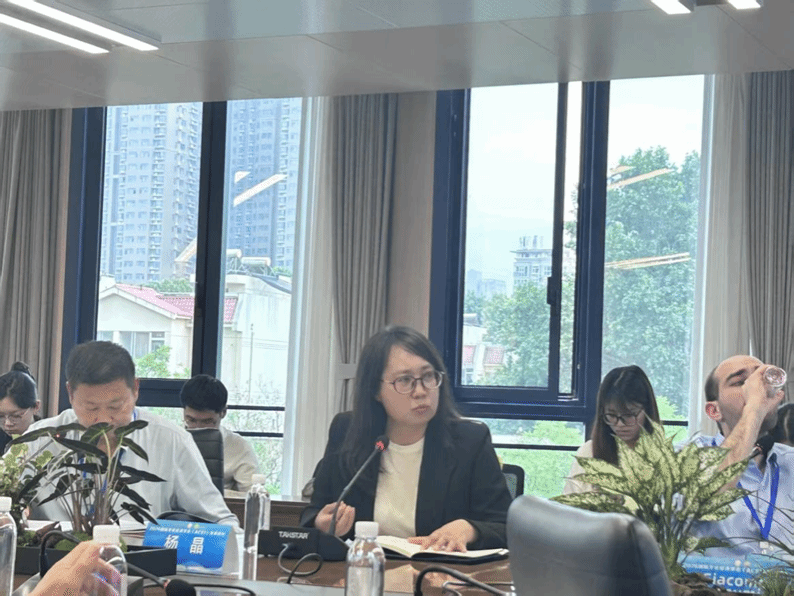
主持人兼点评嘉宾:杨晶教授(中国社会科学院大学)
Professor Yang Jing, University of Chinese Academy of Social Sciences
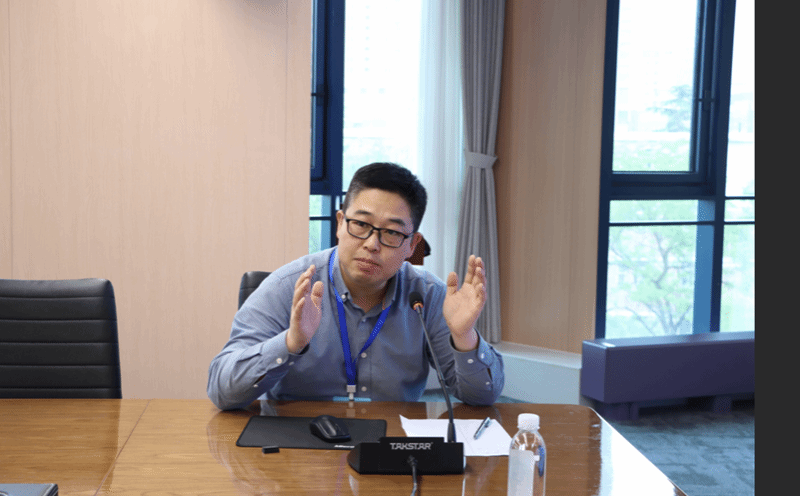
主持人兼点评嘉宾:徐毅成教授(甘肃政法大学)
Professor Xu Yicheng, Gansu University of Political Science and Law
本次论坛由北京师范大学冯留建教授、中国社会科学院大学杨晶教授与甘肃政法大学徐毅成教授担任主持人兼点评嘉宾,全程参与研讨互动、精准评议分享成果。冯留建教授在开场致辞中强调,文化遗产是承载民族记忆、彰显文明底蕴的精神瑰宝,绿色可持续发展是新时代文化产业转型升级的必然方向,推动二者深度融合,是实现文化价值、生态价值与社会价值协同共赢的关键,更为文旅产业创新、遗产长效保护提供学术支撑与实践指引,助力中华文脉永续传承。
The forum was moderated and reviewed throughout by Professor Feng Liujian (Beijing Normal University), Professor Yang Jing (University of Chinese Academy of Social Sciences), and Professor Xu Yicheng (Gansu University of Political Science and Law). In his opening remarks, Professor Feng emphasized that cultural heritage embodies national memory and civilizational essence, while green sustainable development represents an inevitable direction for the transformation and upgrading of the cultural sector in the new era. Integrating the two is crucial for realizing synergistic cultural, ecological, and social values; it also provides academic support and practical guidance for cultural tourism innovation and long‑term heritage protection, contributing to the enduring inheritance of Chinese cultural roots.
论坛上半场聚焦国际视野下遗产保护与文化创新,海内外专家学者齐聚一堂,分享前沿研究成果、碰撞多元学术思想。冯留建教授以《中华优秀传统文化创造性转化与创新性发展的机制构建与路径优化研究》为题,立足文化软实力视角,深入剖析传统文化现代适配不足、人才支撑薄弱等现实困境,创新性提出“价值引领、协同共治、创新驱动、保障支撑、评价激励”五位一体长效运行机制,为传统文化现代化转型提供系统性制度参考。徐毅成教授聚焦文化IP高质量发展,以甘肃省博物馆“绿马”文创爆款为典型案例,指出文旅产业需规避同质化发展陷阱,推动文化IP从“单点流量爆款”向可持续文化生态升级,依托“一带一路”平台深化文明互鉴、赋能文旅融合发展。海外学者霍思佳博士、Giacomo Vasumi博士分别分享罗马边墙、圣雅各之路线性遗产保护经验与联合国教科文组织遗产参与式治理理念,剖析跨境遗产保护碎片化、多方利益协调难等共性问题,为全球遗产协同治理提供国际经验借鉴。王嘉伟讲师、吴晓晨博士则立足本土实践,聚焦中国中亚跨境遗产保护与历史街区绿色活化,结合明铁佩遗址考古、西藏八廓历史街区更新案例,构建标准化保护更新路径,为丝路遗产活化利用提供可复制范式。
The first half of the forum addressed heritage conservation and cultural innovation from an international perspective. Professor Feng Liujian delivered a keynote entitled Mechanism Construction and Path Optimization for the Creative Transformation and Innovative Development of Fine Traditional Chinese Culture. Adopting a cultural soft‑power lens, he analyzed challenges including insufficient modern adaptation of traditional culture and weak professional talent pipelines, proposing an integrated five‑dimensional framework: value guidance, collaborative governance, innovation‑driven development, institutional support, and evaluation incentives, offering a systematic institutional blueprint for the modern adaptation of traditional culture. Professor Xu Yicheng focused on high‑quality cultural IP development, citing the “Green Horse” cultural creation phenomenon at the Gansu Provincial Museum as a case study. He argued that cultural tourism must avoid homogenization and advance cultural IP from single‑item viral hits toward sustainable cultural ecosystems, leveraging the Belt and Road Initiative to deepen civilizational dialogue and empower integrated cultural‑tourism development. International scholars Dr. Sijia Huo and Dr. Giacomo Vasumi shared experiences on linear heritage conservation (e.g., the Roman Walls, the Route of St. James) and UNESCO’s participatory heritage governance models, highlighting persistent challenges such as fragmented cross‑border conservation and multi‑stakeholder coordination, and offering international reference points for collaborative global heritage governance. Lecturer Wang Jiawei and Dr. Wu Xiaochen presented local perspectives on China–Central Asia cross‑border heritage and green revitalization of historic districts. Drawing on excavations at the Mingtepe Site and the renewal of the Barkhor Historic District in Xizang, they outlined standardized conservation and regeneration frameworks, providing replicable models for Silk Road heritage revitalization.
下半场研讨深耕本土实践,聚焦绿色转型、文脉传承与区域发展,聚焦农业低碳转型、丝路遗产活化、非遗活态传承等关键议题,分享落地实践成果、提炼特色发展经验。高天志副教授围绕农业数字技术与低碳减排展开实证研究,明确数字技术通过精准种植、智能管理助力农业降碳的核心路径,揭示数字技术对碳排放的倒U型影响规律,为农业绿色低碳转型提供数据支撑。邸玮副教授系统梳理隋唐长安城千年保护历程,梳理不同时期保护研究特点与实践成效,总结城乡融合保护模式,彰显丝路东方起点遗产的全球文化价值。赵临龙教授、崔陇鹏教授、王文斌团队、牛文浩博士分别从中西部绿色经济带建设、东亚园林文化传播、秦腔非遗传承、农业遗产气候风险防控等维度展开研究,兼顾宏观战略布局与微观实践落地,为区域协同发展、文化遗产活态传承提供多元思路。
The second half of the forum centered on local practice, green transition, cultural continuity, and regional development, addressing agricultural low‑carbon transformation, Silk Road heritage revitalization, and ICH living transmission. Associate Professor Gao Tianzhi presented empirical research on agricultural digital technologies and low‑carbon pathways, identifying precision farming and intelligent management as key levers for agricultural decarbonization, and documenting an inverted U‑shaped relationship between digitalization and emissions, offering quantitative evidence for green agricultural transition. Associate Professor Di Wei reviewed the millennium‑long conservation trajectory of the Sui‑Tang Chang’an City, analyzing evolving conservation paradigms and outcomes across periods, and articulating an integrated urban–rural conservation model that underscores the global significance of the Silk Road’s eastern anchor. Professor Zhao Linlong, Professor Cui Longpeng, the research team led by Professor Wang Wenbin, and Dr. Niu Wenhao presented studies spanning the development of the Central–Western Green Economic Belt, East Asian garden culture diffusion, Qinqiang Opera inheritance, and climate risk governance in agricultural heritage systems, bridging macro strategy and on‑the‑ground practice to inform regional coordination and living heritage stewardship.
报告分享环节结束后,杨晶教授、徐毅成教授作总结点评,高度肯定本次论坛兼具国际学术视野、跨学科研究深度与本土实践价值,议题紧扣国家战略、成果兼具理论创新与实操意义。与会专家一致认为,文化遗产是兼具历史厚度、时代温度与未来潜力的活态财富,新时代需坚守文化根脉、深耕数字赋能、践行绿色理念,推动学术研究扎根田野实践、对接现实需求,促进文化遗产保护、绿色低碳发展与中外文明交流互鉴深度融合,为中华文脉永续、区域高质量发展与文化强国建设注入持久动力。
Following the presentations, Professor Yang Jing and Professor Xu Yicheng delivered closing remarks, commending the forum’s international scope, interdisciplinary depth, and practical relevance. They noted that the agenda closely aligned with national priorities, blending theoretical innovation with actionable insights. Participants agreed that cultural heritage is a living asset with historical depth, contemporary relevance, and future potential. The new era demands rooted cultural stewardship, digital empowerment, and green commitments; scholarly work must engage field realities and societal needs, advancing the integration of heritage conservation, low‑carbon development, and cross‑cultural dialogue to fuel the enduring vitality of Chinese civilization, regional high‑quality growth, and the construction of a culturally strong nation.