2026年5月27日,2026国际文化经济学会(ACEI)学术论坛分论坛五于西安建筑科技大学雁塔校区意诚科创中心4楼6号会议室顺利召开。本次论坛聚焦“数字要素赋能和文旅高质量发展”核心主题,由北京交通大学皇甫晓涛教授、华中师范大学孙传明教授与东北大学王秀伟教授担任主持人兼点评嘉宾,汇聚北京交通大学、中国传媒大学、西安建筑科技大学等高校11位专家学者,围绕数字技术应用、文化遗产活化、跨文化传播、AI产业创新等议题,碰撞学术思想、共探文旅数字化转型路径。
May 27, 2026 – The fifth parallel forum of the 2026 Academic Conference of the Association for Cultural Economics International (ACEI) was successfully held in Conference Room 6, 4th Floor, Yicheng Science and Innovation Center, Yanta Campus of Xi’an University of Architecture and Technology. Centered on the core theme Digital Factor Empowerment and High-Quality Cultural-Tourism Development, the forum was moderated and reviewed by Professor Huangfu Xiaotao from Beijing Jiaotong University, Professor Sun Chuanming from Central China Normal University, and Professor Wang Xiuwei from Northeastern University. It brought together 11 experts and scholars from institutions including Beijing Jiaotong University, Communication University of China, and Xi’an University of Architecture and Technology, who engaged in in-depth academic exchanges on topics such as digital technology application, cultural heritage revitalization, cross-cultural communication, and AI industrial innovation, to jointly explore pathways for the digital transformation of the cultural-tourism industry.

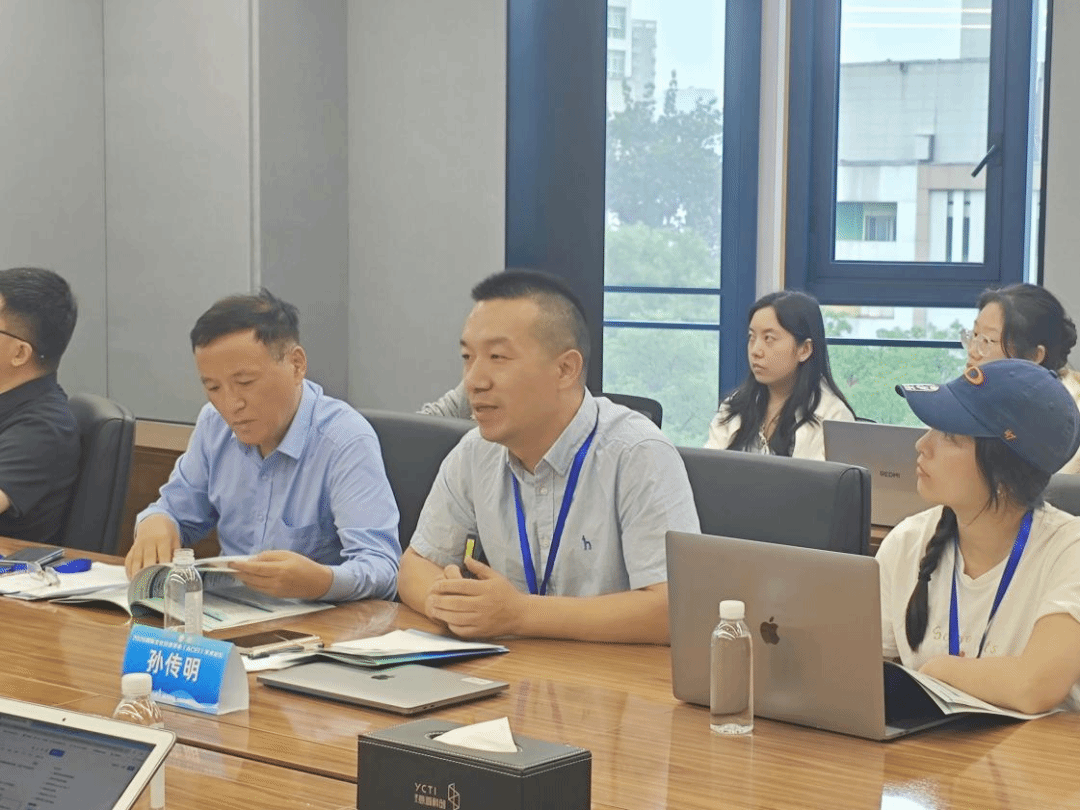

论坛伊始,三位点评嘉宾开篇点题,强调数字技术是文旅产业高质量发展的核心引擎,需坚守文化内核、强化技术赋能、推动价值平衡,助力中华优秀传统文化创造性转化与创新性发展。皇甫晓涛教授以文明熵、全息灵境等前沿视角,解码数字文明底层逻辑,提出“TOKEN词元文明熵”相关创新理论,为数字文化与文旅融合提供突破性理论思考;孙传明教授系统阐述数字技术在非遗传承、活化、产业化中的多元应用路径,剖析技术赋能非遗可持续发展的核心机制,为非遗文旅融合注入新思路;王秀伟教授聚焦数字文化产业痛点,深入剖析人文价值与经济价值失调的生成机理,提出兼顾文化内核与经济效益的治理路径,为产业健康发展提供指引。
At the opening session, the three moderators and reviewers set the tone, emphasizing that digital technology serves as the core engine for the high-quality development of the cultural-tourism industry. They stressed the need to uphold cultural essence, strengthen technological empowerment, and balance diverse values, so as to advance the creative transformation and innovative development of fine traditional Chinese culture.
Professor Huangfu Xiaotao decoded the underlying logic of digital civilization from cutting-edge perspectives such as civilizational entropy and holographic virtual reality, proposing the innovative theory of TOKEN Lexeme Civilizational Entropy and offering groundbreaking theoretical insights for the integration of digital culture and cultural tourism.
Professor Sun Chuanming systematically elaborated on diverse application pathways of digital technology in the inheritance, revitalization, and industrialization of intangible cultural heritage (ICH), analyzing the core mechanisms through which technology enables the sustainable development of ICH and injecting new ideas into the integration of ICH and cultural tourism.
Professor Wang Xiuwei focused on pain points in the digital cultural industry, dissecting the mechanisms behind the imbalance between humanistic and economic values, and proposing governance pathways that balance cultural essence and economic benefits, providing guidance for the healthy development of the industry.
随后,多位专家学者依次分享前沿研究成果,兼顾实证研究、案例分析与实践探索,内容丰富、视角多元。西安建筑科技大学李治教授团队以《黑神话:悟空》为案例,实证分析跨文化传播中关系强度对海外玩家忠诚度的影响,为中国文化IP出海提供数据支撑;高逸菲博士基于心理所有权视角,构建数字技术影响文化体验的三路径模型,解析文旅体验升级的心理逻辑;吴先进硕士以山东为例,探究儒家文化对旅游业发展的影响,提供地域文旅融合研究样本;牛鹏副教授聚焦技术封锁背景,分析中国AI创新突破路径,为数字文旅技术自主发展提供借鉴;袁丹副教授团队聚焦AIGC应用,探讨AI驱动动画企业高质量内容生成的过程机理,为文化创作数字化升级提供参考。
Subsequently, multiple experts and scholars presented cutting-edge research findings, integrating empirical studies, case analyses, and practical explorations with rich content and diverse perspectives.
The research team led by Professor Li Zhi from Xi’an University of Architecture and Technology took Black Myth: Wukong as a case, empirically analyzing the impact of relationship strength on overseas player loyalty in cross-cultural communication, providing data support for the global expansion of Chinese cultural IP.
Dr. Gao Yifei constructed a three-path model of digital technology’s impact on cultural experience from the perspective of psychological ownership, explaining the psychological logic behind the upgrading of cultural-tourism experiences.
Master’s candidate Wu Xianjin explored the influence of Confucian culture on tourism development with Shandong Province as a case, offering a research sample for regional cultural-tourism integration.
Associate Professor Niu Peng analyzed China’s AI innovation breakthrough pathways amid technological blockades, providing references for the independent development of digital cultural-tourism technologies.
The research team led by Associate Professor Yuan Dan focused on AIGC applications, examining the mechanisms through which AI drives high-quality content creation in animation enterprises, offering insights for the digital upgrading of cultural creation.
此外,宿州学院陈少锋副教授总结《黑神话:悟空》国际传播经验,提炼数字游戏推动中国文化出海的实践启示;西安建筑科技大学刘敏博士以渼陂湖为案例,探索智慧文旅背景下传统文化旅游服务平台开发路径;沈美伶硕士聚焦多中心空间与公共文化设施便利性,为文旅公共服务优化提供研究支撑;中国传媒大学刘洪佳博士立足资源编排视角,探究文物主题游径的价值实现路径,助力文物资源文旅化活化利用。
Additionally, Associate Professor Chen Shaofeng from Suzhou University summarized the international communication experience of Black Myth: Wukong, extracting practical implications for promoting Chinese culture overseas through digital games.
Dr. Liu Min from Xi’an University of Architecture and Technology explored development pathways for traditional cultural tourism service platforms under the context of smart cultural tourism, taking Meipi Lake as a case.
Master’s candidate Shen Meiling focused on polycentric spaces and the accessibility of public cultural facilities, providing research support for optimizing cultural-tourism public services.
Dr. Liu Hongjia from Communication University of China explored value realization pathways for cultural relic-themed tourist routes from a resource orchestration perspective, supporting the revitalization and utilization of cultural relic resources in cultural tourism.
报告分享结束后,皇甫晓涛、孙传明、王秀伟三位教授依次作精彩点评,充分肯定本次论坛12项报告兼具理论深度、实证价值与实践指导意义,形成完整研讨体系。与会学者一致认为,文旅高质量发展需以数字技术为支撑、文化价值为内核、创新驱动为动力,深化产学研协同,推动学术成果落地应用,为文旅产业转型升级、文化强国建设贡献智慧与力量。
Following the presentations, Professors Huangfu Xiaotao, Sun Chuanming, and Wang Xiuwei delivered insightful comments, fully affirming that the 12 reports presented at the forum featured theoretical depth, empirical value, and practical significance, forming a comprehensive research system. Participating scholars agreed that high-quality cultural-tourism development must be underpinned by digital technology, centered on cultural values, and driven by innovation. Deepening industry-university-research collaboration and promoting the practical application of academic achievements will contribute wisdom and strength to the transformation and upgrading of the cultural-tourism industry and the construction of a culturally powerful nation.



